IMF Calls for Strengthened Financial Sector Stability in Eswatini
Staff ReporterEswatini
Source: News on Africa Publisher: News on Africa
The International Monetary Fund (IMF) has released a technical assistance report highlighting key recommendations to strengthen financial sector stability in the Kingdom of Eswatini. The report focuses on enhancing regulations and establishing a Deposit Protection Fund (DPF) to protect bank depositors in case of a bank failure.
One of the primary recommendations from the IMF report is the establishment of a well-funded and efficient DPF to safeguard bank depositors. The fund would act as an insurance policy, ensuring consumer confidence and providing quick and automatic compensation to protected depositors in the event of a bank failure.
The report emphasizes the importance of establishing a clear policy and legal basis for the DPF and recommends close monitoring of the liquidation process for failing banks by appointing curators with clear powers and procedures.
Furthermore, the IMF report suggests strengthening regulations around liquidating retirement funds and insurers to protect consumers and ensure compliance with consumer protection requirements. It recommends enhancing the liquidation regulation and powers for appointed curators to ensure a streamlined resolution process and protect the interests of depositors and other stakeholders.
The report also highlights the need for a clear agreement between the Central Bank of Eswatini (CBE) and the Ministry of Finance regarding emergency funding for the DPF in case of a bank failure. It stresses the importance of avoiding conflicts of interest and maintaining confidentiality in managing the DPF.
Overall, the IMF’s technical assistance report underscores the importance of establishing robust regulatory frameworks and effective mechanisms to protect consumers and ensure financial sector stability in Eswatini.
You might also like
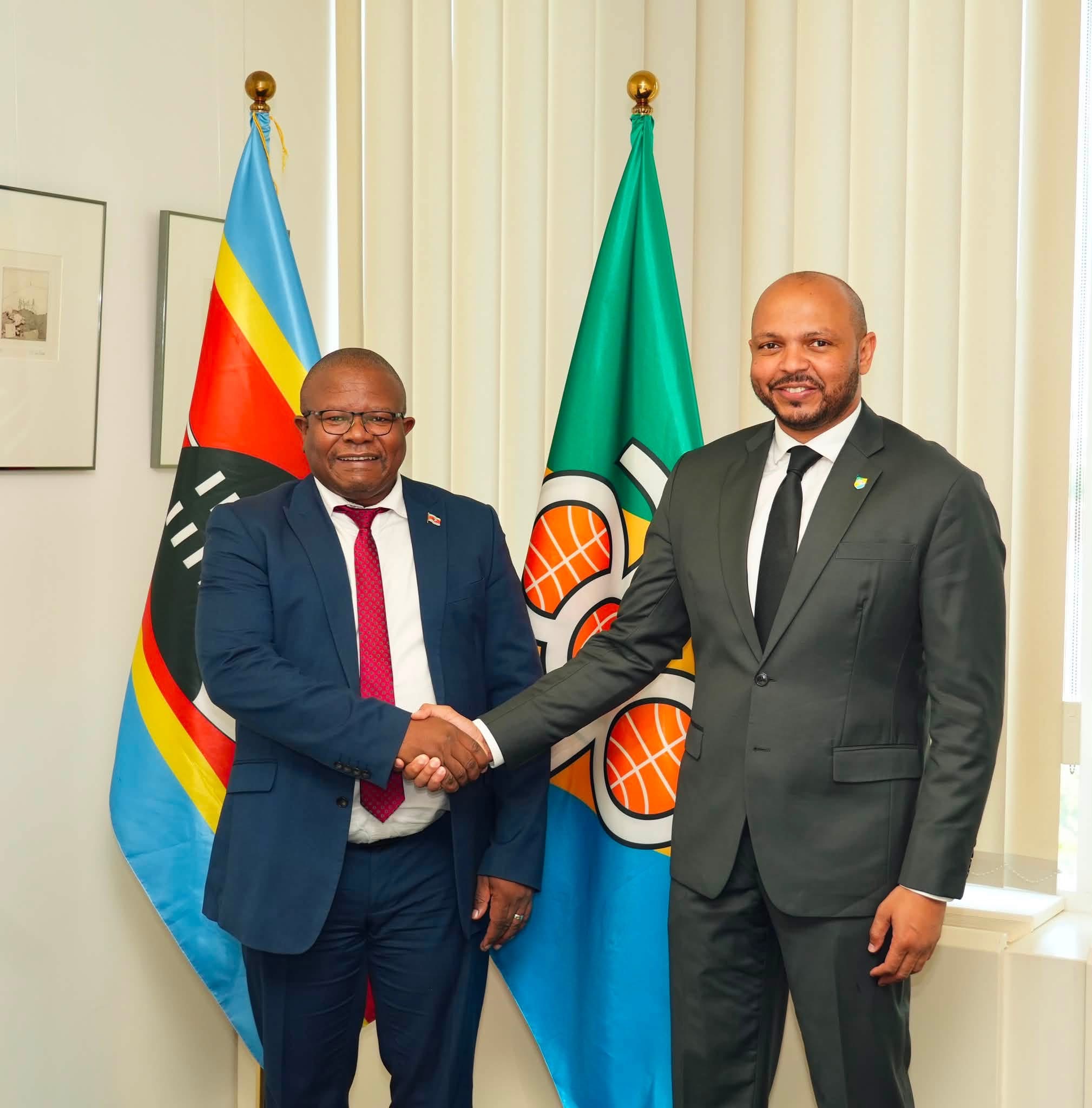
Eswatini Commerce Minister Strengthens Trade Ties in Brussels Courtesy Call
BRUSSELS, BELGIUM — Eswatini’s Minister of Commerce, Industry and Trade, Hon. Manqoba Khumalo, has taken center stage in Belgium this week as he attends the Organisation of African, Caribbean and Pacific States (OACPS) Council of Ministers meeting. The high-level assembly, hosted at the historic Egmont Palace in Brussels, brings together key global leaders to deliberate […]

Letshego Granted Provisional License to Launch Digital Bank in Eswatini
Mbabane, Eswatini – The Central Bank of Eswatini (CBE) has officially announced the issuance of a provisional banking license to Letshego Eswatini Bank in-organisation (LEB), marking a significant milestone in the expansion of Eswatini’s digital financial landscape. Currently operating as Letshego Financial Services Eswatini, the institution has been greenlit to transition into a fully operational […]

Comments
Sign in to join the discussion.
Sign inNo comments yet. Be the first to share your thoughts.